
Alhumdulillah-All praise is due to Allah.
السلام عليكم ورحمة الله وبركاته
الحمد لله. All praise is due to Allah, who has guided us to the path of knowledge and excellence.
My dear sisters and fellow seekers of truth, when we strive to share the message of Islam, we must do so with Ihsan (perfection and excellence). In the digital world, this means ensuring our voices are heard above the noise. To outrank the top results and reach the hearts of more reverts and sisters, we must dive deep into the spiritual and practical essence of Alhamdulillah
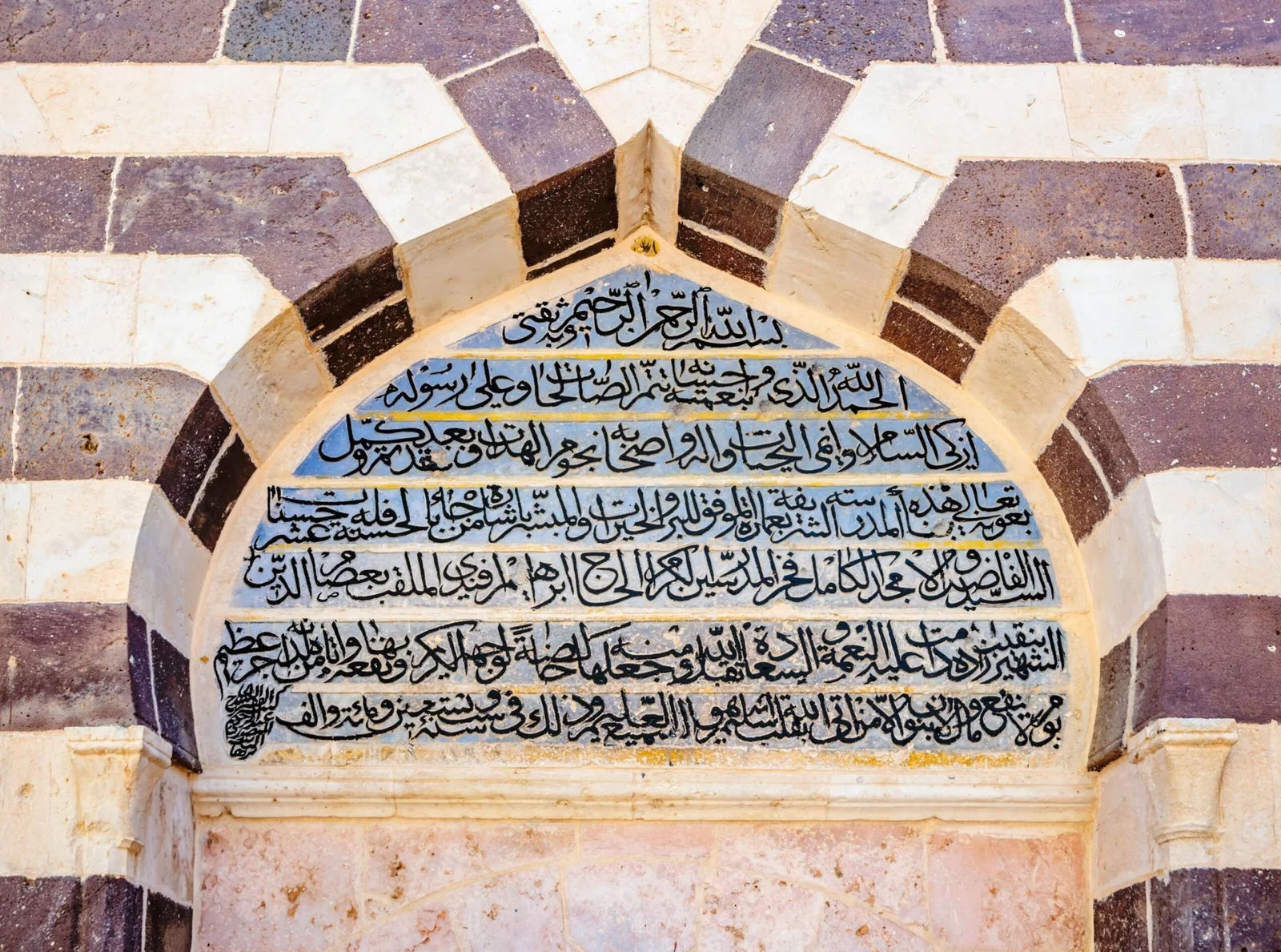
Image : Islamhashtag.com
Alhamdulillah: Transforming the Soul through Gratitude
In our journey as Muslim women—navigating careers, families, and our personal relationship with Allah—we often find ourselves searching for a “secret formula” for happiness. We look for it in lifestyle changes, in self-help books, or in social media trends. However, the true key to a contented heart has been right on our tongues all along: Alhamdulillah.
1. The Linguistic Miracles of “Alhamdulillah”More Than Just “Thanks”
To truly appreciate this phrase, we must look at why Allah chose these specific words to open His Holy Book.
- The Noun vs. The Verb: In Arabic, Alhamdu is a noun. Unlike a verb, which is tied to a specific time (past, present, or future), a noun is timeless and permanent. By saying Alhamdulillah, we are declaring that praise for Allah is constant, regardless of whether we are currently experiencing a blessing or a trial. Hamd (Praise + Gratitude): In English, you might praise someone you don’t like (like a talented athlete), or thank someone you don’t necessarily praise (like a clerk). Hamd combines both. We praise Allah because of His perfection and majesty, and we thank Him because of the endless blessings He pours upon us.
- The Universal “Al”: The prefix “Al” (the) in Alhamdu is what scholars call al-istighraq. it encompasses every single type of praise imaginable. Every beautiful thing you see—a sunset, the innocence of a child, the complexity of a flower—is ultimately a reason to say Alhamdulillah, as Allah is the source of all beauty.
2. The Theology of “Alhamdulillah” in Every State
One of the most profound lessons for a revert or a student of knowledge is learning to say Alhamdulillah not just when things go well, but when life feels difficult.
The Prophet Muhammad (peace be upon him) taught us two distinct ways to use this phrase:
- When things are pleasing: Alhamdulillah il-lazi bi-ni’matihi tatimmus-salihat (All praise is due to Allah by whose favor good things are accomplished).
- When things are difficult: Alhamdulillah ‘ala kulli hal (All praise is due to Allah in every condition).
Why Praise Allah During Hardship?
This is a core concept for the Muslimah. When we face trials—perhaps a struggle with the Hijab, loneliness after reverting, or family stresses—saying Alhamdulillah acknowledges that Allah is Al-Hakim (The All-Wise). Even if we don’t understand the “why” of our struggle, we trust that the One who created us has a purpose for it that is ultimately for our good.
3. The Psychological Benefits: Gratitude as Healing
Modern psychology often speaks about “gratitude journaling” as a way to combat depression and anxiety. Islam gave us this tool 1,400 years ago through the practice of Dhikr (remembrance).
- Shifting Focus: Alhamdulillah forces your brain to stop scanning for what is missing and start scanning for what is present.
- Abundance Mindset: Allah makes a divine promise in the Quran: “If you are grateful, I will surely increase you”(Surah Ibrahim, 14:7). This is a spiritual law. When you voice your gratitude, you open the doors for more blessings to enter your life.
4. Alhamdulillah as a Shield Against Envy (Hasad)
As women, we are often bombarded by social media images of “perfect” lives, “perfect” homes, and “perfect” families. This can easily lead to feelings of inadequacy or envy.
Alhamdulillah is the antidote. When you say it sincerely, you are testifying that what Allah has given you is enough. You realize that your journey is uniquely designed by the Creator, and you no longer need to compare your “behind-the-scenes” with someone else’s “highlight reel.”
5. Practical Ways to Live “Alhamdulillah”
How can we move this word from our tongues into our daily lives?
- The Morning Wake-up: The Sunnah prayer upon waking starts with: “Alhamdulillah il-lazi ahyana…” (Praise be to Allah who gave us life after taking it…). Start your day with gratitude before you even check your phone.
- The “Blessing Audit”: If you feel overwhelmed, sit down and write five things you are grateful for that are not material objects (e.g., your eyesight, the ability to breathe, the guidance to Islam).
- In Conversation: When someone asks how you are, don’t just say “fine.” Say “Alhamdulillah.” It reminds both you and the listener that regardless of the struggle, Allah’s mercy is still present.
6. The Reward of the Grateful
The Prophet (peace be upon him) said: “Alhamdulillah fills the scale” (Sahih Muslim).
On the Day of Judgment, when our deeds are weighed, this one simple word—if said with sincerity—carries immense weight. It is the first word of the Quran (Surah Al-Fatihah) and the final cry of the people of Paradise.
“And the last of their call will be, ‘Praise to Allah, Lord of the worlds!'” (Surah Yunus, 10:10)
7. The Spiritual Degrees of Gratitude
Gratitude in Islam is not just a feeling; it is a ladder with three distinct rungs. For a revert sister, understanding these stages can help ground your faith during the “highs and lows” of your first few years.
Level 1: Gratitude of the Tongue
This is the most common form. It is the verbal acknowledgment of Allah’s favors. While simple, it is powerful. The Prophet (peace be upon him) said: “Allah is pleased with His servant who says ‘Alhamdulillah’ after a meal or a drink”(Sahih Muslim).
Level 2: Gratitude of the Heart
This is where the magic happens. It is the deep, internal realization that every breath you take is a gift you did not earn. It is the feeling of humility that washes over you when you realize that despite our flaws, Allah continues to provide for us. For those struggling with their identity or facing pushback for their faith, this heart-centered gratitude provides an unbreakable inner peace.
Level 3: Gratitude of the Limbs
This is the highest form of Alhamdulillah. It means using the blessings Allah gave you to please Him.
- If He gave you wealth, use it for charity.
- If He gave you knowledge, teach your sisters.
- If He gave you health, use it to stand in prayer. True gratitude is lived, not just spoken.
8. The Psychology of the Grateful Muslimah
In an era where “anxiety” and “burnout” are common terms among women, Alhamdulillah serves as a divine psychological intervention.
Breaking the Cycle of “If Only”
Shaytan often attacks us through the door of “If only.” “If only I had a better job…” “If only my family accepted my Islam…” “If only I looked different…”
These thoughts lead to Kufr al-Ni’mah (ingratitude for blessings). Alhamdulillah shuts this door. It anchors you in the present moment. It shifts your brain from a “scarcity mindset” (what I lack) to an “abundance mindset” (what I have).
The Science of Shukur
Recent studies in positive psychology show that practicing gratitude lowers cortisol (the stress hormone) and improves sleep. For the Muslimah, this isn’t “new age” wisdom; it is the natural byproduct of living according to the Fitra (natural inclination) that Allah placed within us.
9. Addressing Common Challenges for Reverts
For my sisters who have recently come to Islam, saying Alhamdulillah can sometimes feel difficult when you are facing isolation or confusion.
- Loneliness: You might lose friends or feel distant from family. In these moments, say Alhamdulillah for the greatest blessing of all: Hidayah (Guidance). A palace without Islam is a prison, but a lonely room with Allah is a garden.
- The “Learning Curve”: You might feel overwhelmed by the rules of Fiqh. Say Alhamdulillah that Allah chose you out of billions to understand His word. Every struggle you have in learning a verse of the Quran earns you double the reward.
10. How to Outrank Negativity: A Practical Action Plan
If we want our message of gratitude to rank #1 in our lives and in the digital world, we must be intentional.
- The “Alhamdulillah” Journal: Every night, write down three specific things that happened that day for which you are grateful. Be specific. Instead of “food,” write “the warmth of the tea on a cold afternoon.”
- Transforming Complaints: Every time you catch yourself complaining about a “first-world problem,” immediately follow it with an Alhamdulillah for a related blessing. (e.g., “I’m so tired of cleaning this house… Alhamdulillah I have a roof over my head.”)
- Dawah of Character: Let your gratitude be visible. A Muslim woman who is constantly grateful is a walking advertisement for the beauty of Islam. People will wonder, “What does she have that makes her so content?”
11. The Eternal Reward
The Quran tells us that the inhabitants of Jannah (Paradise) will have their hearts cleared of all resentment and grief. Their ultimate state will be one of pure, unadulterated praise.
“And they will say, ‘Praise to Allah, who has removed from us [all] sorrow. Indeed, our Lord is Forgiving and Appreciative.'” (Surah Fatir, 35:34)
By practicing Alhamdulillah now, we are essentially practicing the language of the people of Paradise. We are preparing our souls for an eternal life of joy.
Also read : Alhumdulillah- Significance of saying hamd